
Complete guide for Pakistani students — the National D Visa (Main Study Visa), the Karta Pobytu (Temporary Residence Permit), and the Post-Study Work Permit: the 2026 fee increase, the genuine Karta Pobytu processing-time conflict, costs and documents. Content last verified July 2026.

National (Type D) visa from the home country, then Karta Pobytu residence permit applied for at the local Voivodeship Office after arrival
Full-time enrolment at a recognised Polish institution, strong recognition for medicine and engineering programmes
€200, up sharply from the previous €60-80 range, effective 1 January 2026
PLN 701-776/month, or ~PLN 8,000 in accessible funds — fixed deposits alone are NOT accepted
Sources cite 1-3 months OR 8-10 months due to high volume — plan for the longer end, especially in Warsaw/Kraków
Poland moved to a digital-only MOS portal for residence permit applications from 1 January 2026
Up to 20 hrs/week during term, full-time during holidays, once holding both the visa and Karta Pobytu
Up to 3-year work-and-residence permit for graduates, leading toward EU Long-Term Resident status and citizenship
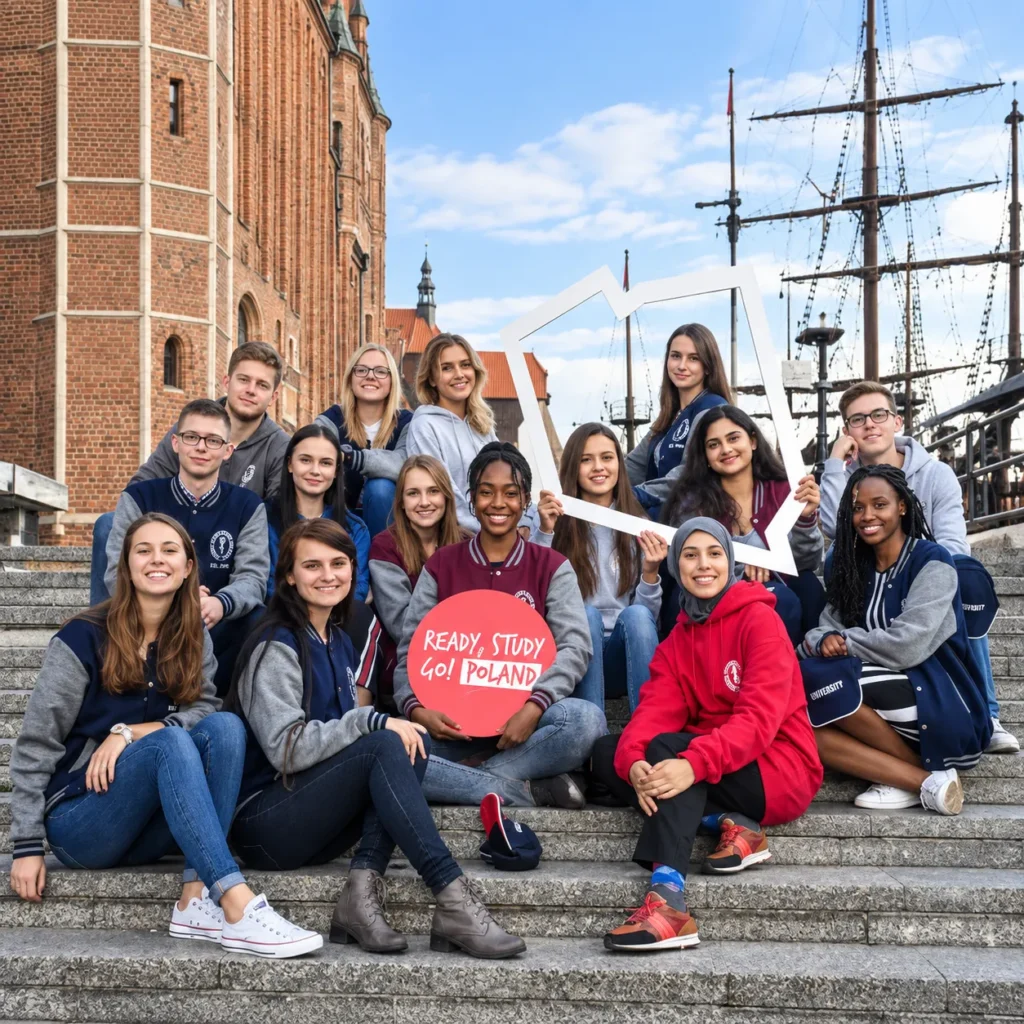
Poland runs a clean two-step process for non-EU students — a National (Type D) long-stay visa from the home country, followed by a Karta Pobytu (Temporary Residence Permit) application at the local Voivodeship Office for stays extending beyond the visa’s own validity — combined with a well-established Post-Study Work Permit pathway.
The 2026 update that matters most: the Type D visa fee rose sharply to €200 effective 1 January 2026, up from the previous €60-80 range. Poland also moved to a digital-only MOS portal for residence permit applications from the same date.
7 Continents Migration Experts guides Pakistani applicants through the category that matches their circumstances — the National D Visa, the Karta Pobytu, or the Post-Study Work Permit.
⚠ MAJOR 2026 FEE INCREASE: Poland's National (Type D) visa fee rose sharply effective 1 January 2026 — from the previous €60-80 range to €200. Any guidance still citing the older €60-80 figure is now significantly out of date and would substantially under-quote a client's actual visa cost.
⚠ GENUINE, SERIOUS PROCESSING-TIME CONFLICT — KARTA POBYTU: sources reviewed show a stark conflict on how long the post-arrival Temporary Residence Permit (Karta Pobytu) actually takes: some cite 1-3 months (varying by Voivodeship Office, with Warsaw and Kraków often slower), while at least one source explicitly states applicants should expect to wait 8-10 months due to high application volume. This is a genuine, serious practical risk and must be clearly communicated to clients rather than quoting only the optimistic end of the range.
✓ Covered — This page includes both General Eligibility (any nationality) and Eligibility for Pakistani Nationals (country-specific) for every category, plus HEC/IBCC attestation and scholarship guidance.
Content last verified July 2026 — re-verify against official Polish Ministry of Foreign Affairs and Voivodeship Office sources at least quarterly, given how frequently fees and processing times are revised.
Explore the three categories covered for Pakistani students applying to Poland — select one to see full eligibility, fees and documents.
Main study route — Type D long-stay visa valid up to 1 year, allowing entry and initial study in Poland.
Temporary Residence Permit required for students staying beyond their Type D visa's validity.
Work-and-residence permit for graduates who secure full-time employment after completing their studies.
Poland's national long-stay visa for non-EU/EEA students — a Type D visa valid for up to 1 year, allowing entry and initial study, with a Temporary Residence Permit (Karta Pobytu) required afterward for stays extending beyond the visa's own validity.
Poland's residence card, required for students staying beyond their Type D visa's validity — the actual document that authorises the full study period, applied for after arrival at the local Voivodeship (provincial) Office.
A work-and-residence permit (Zezwolenie na pobyt czasowy i pracę) for graduates of Polish institutions who secure full-time employment after completing their studies — a common, well-established pathway toward longer-term Polish and EU residence.
The genuine Karta Pobytu processing-time conflict (see the warning near the top of this page) is the single most important practical reality for this page — clients should be told honestly that this stage can take considerably longer than the optimistic end of the cited range, particularly in busier cities like Warsaw and Kraków.
The 1 January 2026 fee increase (Type D visa from €60-80 to €200) and the shift to a digital-only MOS portal for residence permits are both genuine, significant changes that should be clearly reflected in client budgeting and document-preparation timelines — outdated guidance citing the old fee or a paper-based process would materially mislead clients.
Poland combines genuinely affordable tuition and living costs with strong recognition for medical and engineering programmes among Pakistani applicants specifically, and a clear (if lengthy) pathway toward EU long-term residence and eventual citizenship.
Academic transcripts and degree certificates should be apostilled and HEC/IBCC attested as required by the specific institution and consulate. Start document preparation early, well before the National D Visa application, given Poland's digital-only MOS portal process from 2026.
HEC Attestation
IBCC Attestation
Apostille / Legalisation
Translation
Relevant scholarship options for Pakistani students pursuing Poland study include NAWA (Polish National Agency for Academic Exchange) scholarships and HEC-affiliated awards, which can also support the proof-of-funds requirement where the scholarship explicitly covers living expenses.
ARES (Wallonia-Brussels
VLIR-UOS (Flanders)
Sources genuinely conflict — some cite 1-3 months, others cite 8-10 months due to high application volume, especially in Warsaw and Kraków. Plan for the longer end of this range.
€200 for the Type D visa, a significant increase from the previous €60-80 range, effective 1 January 2026.
+