
Complete guide for Pakistani students — Type D Visa & Residence Permit for Studies, the 9-month Study-to-Work Permit and Family Reunification, including fees, processing time, financial proof and documents. Content last verified July 2026.

Type D Visa & Residence Permit (two-step process)
Type D long-stay entry visa from a Hungarian embassy/consulate, before travel
Residence permit for study from NDGAP, after arrival
Part-time allowed, but a separate work permit is required
€60 (single entry) / €120 (multiple entry)
15–45 days (up to 60 days in peak periods)
9-month Study-to-Work permit, any field of study
Unresolved — confirm directly with NDGAP before advising
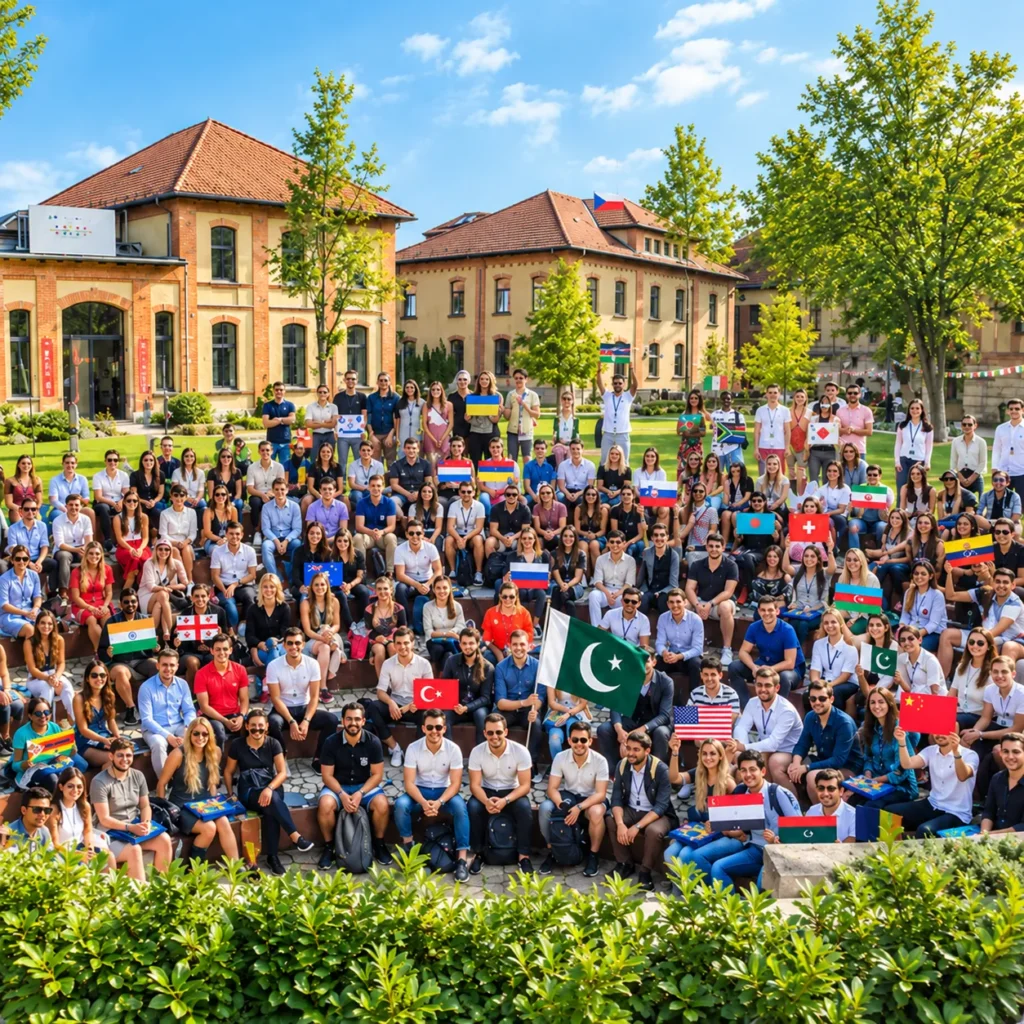
Hungary combines genuinely low tuition and living costs with a distinctive, well-defined 9-month Study-to-Work bridge permit for graduates — though the two-step visa-then-residence-permit process and some Hungarian-bureaucracy realities are worth setting honest expectations around. 7 Continents Migration Experts guides Pakistani applicants through the category that matches their circumstances.
This page covers three core categories: Type D Visa & Residence Permit for Studies (Main Study Visa), Study-to-Work Residence Permit (Post-Study Work), and Family Reunification.
⚠ GENUINE, SERIOUS CONFLICT — FAMILY REUNIFICATION: sources reviewed for this page directly disagree on whether Hungarian student residence permit holders can bring family at all. At least one source states plainly that student permit holders CANNOT sponsor family members (with an exception only for children born in Hungary during the permit's validity). Another source describes family reunification as possible, though as a 'separate, difficult process' requiring significantly higher funds to support a non-working spouse. Confirm the current exact position directly via NDGAP/OIN or the relevant Hungarian consulate before advising any client — the two positions are not simply different figures, they are fundamentally different answers to whether this is possible at all.
⚠ FINANCIAL REQUIREMENT FIGURES SHOW REAL VARIANCE: €2,000 (likely an outdated/incomplete figure), €6,000–8,000/year, €6,000–10,000/year, and HUF 200,000/month (roughly €500/month, ≈€6,000/year) are all cited. The HUF/€500-per-month figure and the €6,000–10,000/year range are broadly consistent with each other; confirm the current precise figure via the relevant consulate before publishing.
Explore the three categories covered for Pakistani students applying to Hungary — select one to see full eligibility, fees and documents.
Hungary's two-step process for non-EU/EEA students: Type D entry visa, then an NDGAP residence permit.
A 9-month bridge permit for any Hungarian graduate to find a job or set up a business.
A pathway for a spouse and children to join — currently unresolved for student permit holders.
Hungary's two-step process for non-EU/EEA students: a Type D long-stay entry visa obtained from a Hungarian embassy/consulate in the home country, followed by a residence permit for study purposes obtained from NDGAP (National Directorate-General for Aliens Policing, formerly known as OIN) after arrival — the residence permit, not the visa itself, is the actual authorisation for the full study period.
A distinctive 9-month bridge permit allowing every graduate of a Hungarian higher education institution to remain in Hungary to search for a job or set up a business immediately after graduation — genuinely available to any graduate, not restricted by field of study.
A pathway for a student's spouse and children to join them in Hungary — sources reviewed for this page show a genuine, serious conflict on whether this is even possible for standard student residence permit holders, and this must be resolved directly with Hungarian authorities before advising any client.
The genuine, unresolved conflict on Family Reunification eligibility (see the warning near the top of this page) is the single most important open question for this page — this is not a minor figure discrepancy but a fundamental disagreement on whether the pathway exists at all for standard student permit holders, and must be resolved directly with NDGAP before advising any client.
The 9-month Study-to-Work permit's strict 15-day pre-expiry filing deadline is a genuinely important, easy-to-miss detail — clients should be reminded of this well ahead of their student permit's expiry date, since there is no remedy if the window is missed.
The fact that student residence time does NOT count toward Hungary's long-term/permanent residence pathway is a genuine limitation worth setting clear, honest expectations around from the very first client conversation, particularly for those with longer-term settlement goals.
Academic transcripts and degree certificates should be HEC/IBCC attested and translated (English or Hungarian) as required by the specific institution and consulate. Confirm the exact attestation and translation requirements with your chosen institution and the consulate well before your intended intake.
HEC Attestation
IBCC Attestation
Superlegalisation
A relevant scholarship option for Pakistani students pursuing Hungary study is the Stipendium Hungaricum programme. Check current eligibility criteria and application windows well ahead of your intended intake.
Visegrad Scholarships
Slovak Government Awards
This is genuinely unclear — sources conflict on whether student permit holders can sponsor family at all. Confirm directly with NDGAP or the Hungarian consulate before making any commitment to a client.
9 months on the Study-to-Work residence permit, available to graduates of any field — but the application must be submitted at least 15 days before the student permit expires.
No. Time on a student residence permit does not count toward Hungary's long-term residence pathway — a different permit type is required for that route.
Get a free, personalised assessment from our migration experts in Islamabad.